What we do
Our mission is to develop, own, and operate high-quality renewable energy assets that deliver reliable low-carbon power and long-term value, accelerating the transition to a cleaner energy future.
Our mission is to develop, own, and operate high-quality renewable energy assets that deliver reliable low-carbon power and long-term value, accelerating the transition to a cleaner energy future.
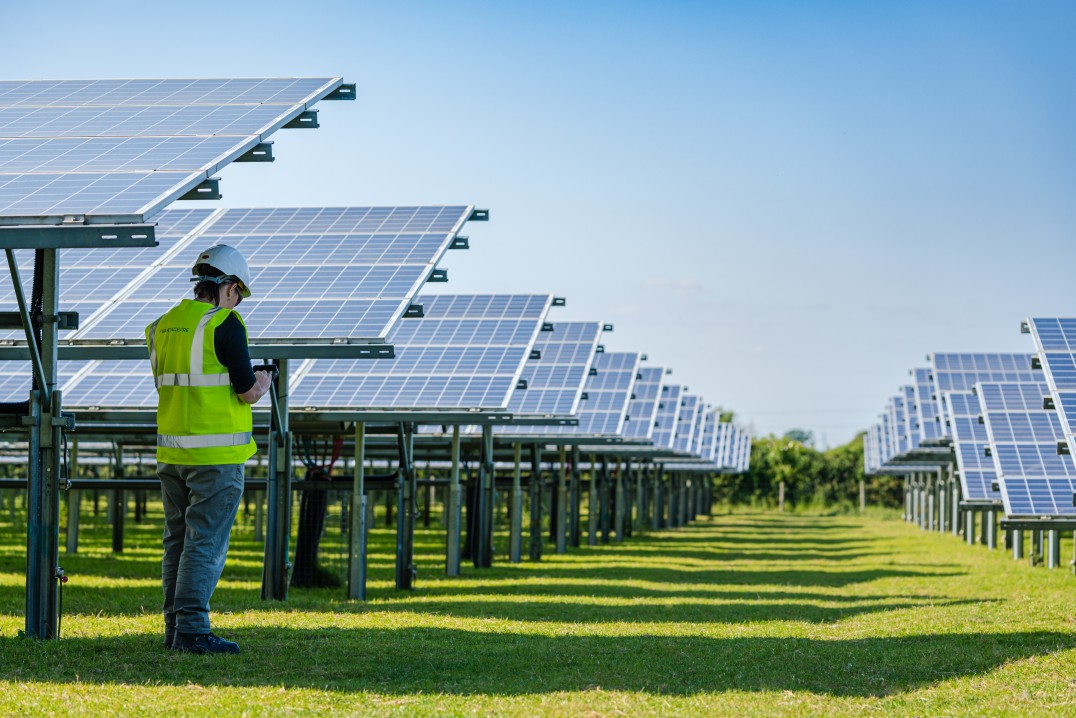
In the face of growing climate and energy security challenges, technologies such as wind, solar, and battery storage offer a proven solution. Every project we deliver accelerates the transition to clean energy and reduces carbon emissions. As the global energy system evolves, Vantage RE is committed to playing a leading role in shaping its future.
We own and operate nearly 1GW of renewable energy projects. We have a pipeline of around 400MW development projects including battery storage and onshore wind.

|
Solar PV | 743 MW |

|
Onshore Wind | 124 MW |

|
Offshore Wind | 41.5 MW |
It started with a powerful idea: to build TNB’s renewable energy platform in one of the world’s most advanced clean energy markets. TNB has had a presence in the UK market since 2017 when it invested in a 365 MW solar PV portfolio. Since 2021, as Vantage RE, we have grown our renewable portfolio to nearly 1GW of renewable assets. And we’ve gathered a team of experts from around the globe, dedicated to delivering a brighter future by driving the transition to clean energy.
We help accelerate the energy transition in two ways: by developing and building new clean energy projects, and by optimising and operating renewable energy projects that are already generating.
As TNB’s renewable energy growth platform in the UK and Europe, Vantage RE is poised for continued growth and, over the next five years, intends to double its portfolio of assets in operation and development.
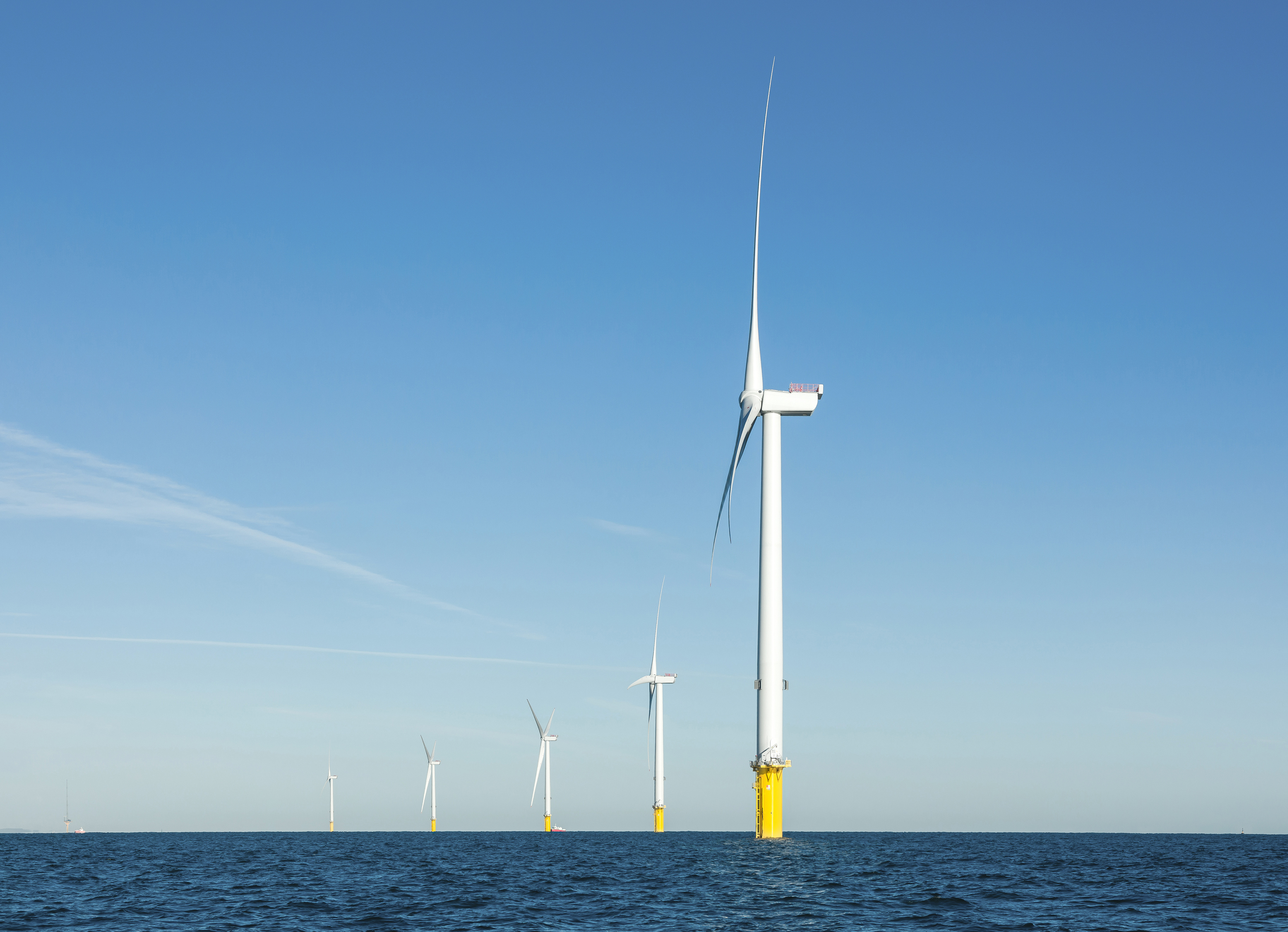
Operated in partnership with EDF Renewables
Blyth is a small coastal wind farm located 0.5 miles off the coast of Blyth, Northumberland.
Constructed in 2017, Blyth is the first offshore wind farm to use float and submerge technology.
This means the wind turbines are supported with gravity-based foundations, which are transported by floating. This made it less costly to install, since foundations don’t need to be drilled into the seabed.
